Buying a condo in South Haven can look simple on the surface, but the rules behind the property can shape how you use it, what you pay, and what you are responsible for long after closing. If you are considering a lake-area condo, site condo, or second-home property, it is smart to slow down and read the fine print before you fall in love with the view. Here is what you need to know about South Haven condo and HOA rules so you can move forward with more confidence. Let’s dive in.
Condo rules start with Michigan law
In South Haven, condo ownership is guided by the Michigan Condominium Act, along with the project’s master deed, bylaws, and rules and regulations. That means your rights and responsibilities do not come from one source alone. They come from state law and the recorded documents tied to the specific development.
This matters because two properties that seem similar may operate very differently. One may allow broader use of the unit, while another may have tighter limits on rentals, guests, parking, or exterior changes. Before you buy, you need to know which rules apply to that exact condo project.
South Haven condos are not all the same
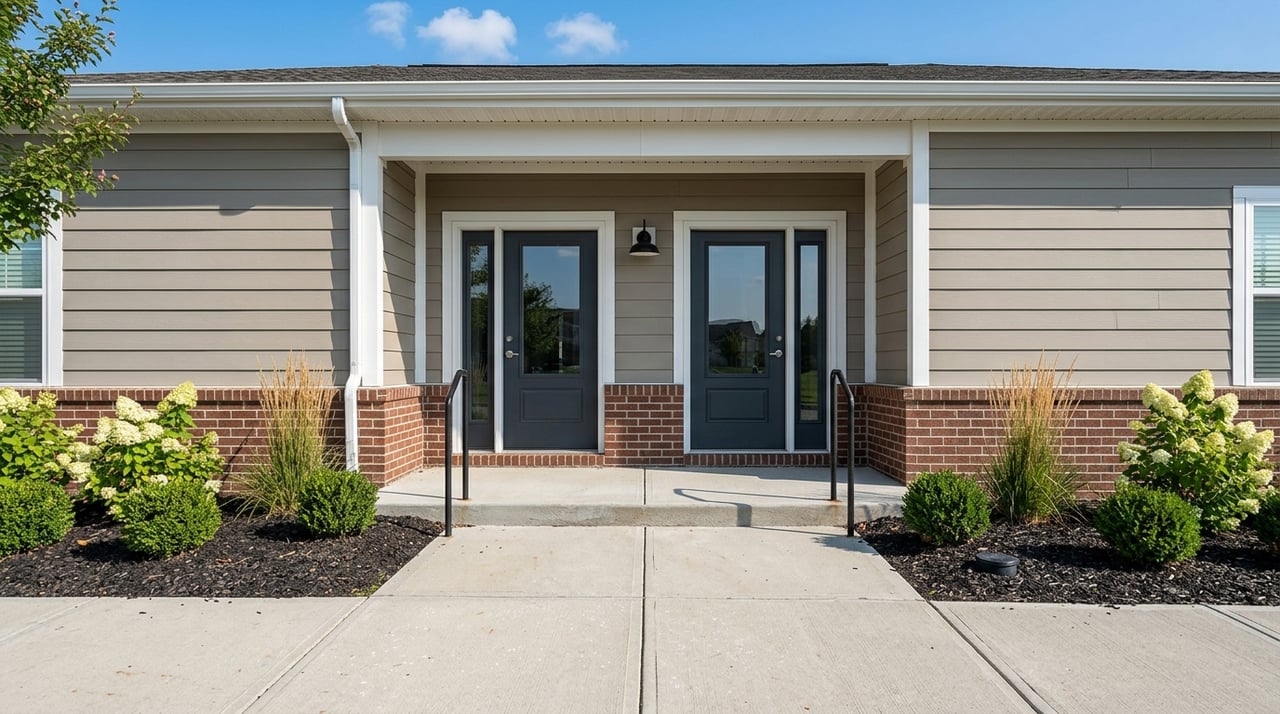
In Southwest Michigan, you may see properties described as condos even when they look like single-family homes. Michigan commonly uses the term site condominium for detached-home condo developments. Even though they can feel like a traditional subdivision, they are still legally condominiums.
That distinction matters in South Haven, where many lake-area developments blur the line between a house in a neighborhood and a condo project. If the property is legally a condominium, the association documents can control major issues like maintenance, fees, and use restrictions.
Local zoning still matters
South Haven’s zoning ordinance treats condominium units like lots for certain lot and coverage standards. It also requires condominium subdivisions to go through planned unit development review. As part of that process, the application must include items like a site plan, common element descriptions, use and occupancy restrictions, and utility easements.
For you as a buyer, that means condo rules may reflect both private association documents and local approval requirements. Some restrictions are not just house rules adopted later. They may be built into the recorded development documents from the start.
What HOA fees usually cover
Condo fees are often one of the first questions buyers ask, and for good reason. In Michigan condo projects, the master deed assigns each unit a percentage of value. That percentage is typically used to calculate monthly maintenance fees, voting rights, and many special assessments.
In plain terms, your share of costs is tied to how the project is structured on paper. Those fees may support maintenance, repairs, and shared expenses connected to the common elements. After the developer sells the units, the co-owners generally own and maintain the development unless a local government takes over part of it, such as certain roads or infrastructure.
Reserve funds are required
Michigan administrative rules require condo bylaws to provide a reserve fund for major repairs and replacement of common elements. The minimum reserve is 10% of the association’s current annual budget on a noncumulative basis. That reserve can be used only for major repairs and replacement of common elements.
This is an important line item to review because it gives you a window into how the association plans ahead. A reserve fund does not guarantee there will never be a future assessment, but it does show whether the project is budgeting for big-ticket common-area expenses.
Fees are not optional
A common misunderstanding is that you can skip part of your fees if you do not use the amenities. Michigan’s condominium guidance is clear that assessments are not optional just because an owner does not use certain shared features. Monthly dues and assessments still apply.
Unpaid assessments can also become a lien on the unit. Michigan law says that when a unit is sold or conveyed, unpaid assessments and related charges generally must be paid from the sale proceeds or by the purchaser, subject to limited statutory exceptions. That is one more reason to review the association’s financial picture before closing.
Maintenance depends on property classification
One of the biggest condo questions is simple: Who fixes what? The answer usually depends on whether something is classified as a common element, a limited common element, or part of the individual unit.
That distinction can affect roofs, decks, driveways, parking areas, utilities, sidewalks, and even private outdoor spaces. In South Haven area developments, it is also important to understand whether roads or other infrastructure are privately maintained or have become public.
Read the recorded documents closely
If you want real clarity, look beyond the marketing sheet. The deed, survey, condominium subdivision plan, condo map, and recorded restrictions can help show where maintenance duties and easement rights begin and end.
The Van Buren County Register of Deeds records documents such as deeds, plats, and restrictions. County guidance also points buyers back to recorded documents, surveys, and original plats or condo maps when checking easements or access limits. This is especially useful in lake-area properties where parking, beach access, and shared pathways can be a major part of day-to-day ownership.
Rental rules can change your plans
If you are buying a South Haven condo as a second home or with future rental plans in mind, this is one area to take very seriously. Under Michigan law, after the transitional control date, a condo association may amend its documents regarding rentals or terms of occupancy. Existing written leases and developer-owned units have certain statutory protections, but later changes can still matter a great deal.
That means you should verify current rental caps, minimum-stay rules, occupancy limits, and any approval requirements before you close. Do not assume a property can be rented just because another unit in the complex has been rented in the past.
Recorded restrictions carry real weight
South Haven’s zoning ordinance requires planned condominium subdivision documents to include proposed use and occupancy restrictions, and approved provisions are to be incorporated into the master deed. In practice, that means some of the rules affecting your use of the property may already be embedded in the recorded legal documents.
Michigan courts have treated recorded deed restrictions as enforceable property rights. That is especially relevant in South Haven and nearby lake properties, where restrictions on commercial use, guest use, private occupancy, or rentals may be closely written and enforced as recorded.
Why short-term rental questions matter
For many buyers, especially in a destination market like South Haven, the biggest practical question is whether a condo can be used for short-term rental activity. The answer depends on the development’s documents and applicable local rules, not just on buyer assumptions or seller comments.
If a recorded restriction limits the property to private occupancy or bans commercial use, Michigan courts have enforced those limits, including against short-term rental activity. If rental income is part of your ownership plan, document review is not optional. It is one of the most important parts of your due diligence.
A smart South Haven condo checklist
Before you buy, ask for the key documents that explain how the condo actually operates. At a minimum, you should request:
- The recorded master deed
- The bylaws
- The condominium subdivision plan
- The disclosure statement
- The purchase agreement
- The escrow agreement
- The current budget
- The association’s rules and regulations
Michigan’s condominium guidance says the developer must provide key documents during the sales process, and the association must keep current copies of the master deed, amendments, and other condo documents available for inspection at reasonable hours.
Confirm city or township location
South Haven buyers should also confirm whether the property is in the City of South Haven or South Haven Charter Township. The local approval path can differ depending on where the parcel sits.
That may affect which zoning and development records are relevant when you are reviewing the property. In some cases, site plan, special use, or planned unit development materials may help explain how the project was approved and what restrictions were built into it.
Get title and legal review when needed
Because Michigan does not have a state agency that regulates condo associations or management companies, disputes are generally enforced in court. That makes careful document review especially important when the condo papers include assessments, rental limits, maintenance obligations, easements, or occupancy restrictions.
The Register of Deeds records documents, but it does not provide legal advice or deed review. If something in the documents affects how you plan to use the property, it is wise to have the title work and legal language reviewed before you commit.
How this helps you buy smarter
South Haven condos can offer a great ownership option, whether you want a full-time home, a second property, or a lower-maintenance setup near the lake. But the value of the purchase is not just about the unit itself. It is also about the rules, obligations, and limitations that come with it.
When you understand the master deed, bylaws, budget, reserve fund, maintenance structure, and rental restrictions up front, you can avoid surprises later. That kind of clarity helps you compare properties more accurately and choose the one that truly fits your goals.
If you want help evaluating a South Haven condo from both a real estate and practical ownership perspective, Michelle Bennett Siwula can help you sort through the details and move forward with confidence.
FAQs
What documents should you review before buying a South Haven condo?
- You should request the master deed, bylaws, condominium subdivision plan, disclosure statement, purchase agreement, escrow agreement, current budget, and the association’s rules and regulations.
What do South Haven condo HOA fees usually pay for?
- Fees typically help cover shared expenses tied to common elements, and your share is usually based on the percentage of value assigned to your unit in the master deed.
Can a South Haven condo association change rental rules?
- Yes. Under Michigan law, a condo association may amend its documents regarding rentals or occupancy after the transitional control date, with certain protections for existing written leases and developer-owned units.
Are condo rules in South Haven just internal HOA policies?
- No. Some rules may be part of the recorded master deed and other development documents, and South Haven’s zoning process can require use and occupancy restrictions to be included in those documents.
Why do easements and common elements matter in a South Haven condo?
- They help determine maintenance responsibility, access rights, and ownership boundaries, which can be especially important for roads, utilities, parking, and lake-area access.
Is a site condo in South Haven different from a regular neighborhood home?
- It can be. A site condo may look like a detached single-family home, but it is still legally a condominium, which means association documents can control fees, maintenance, and property use.