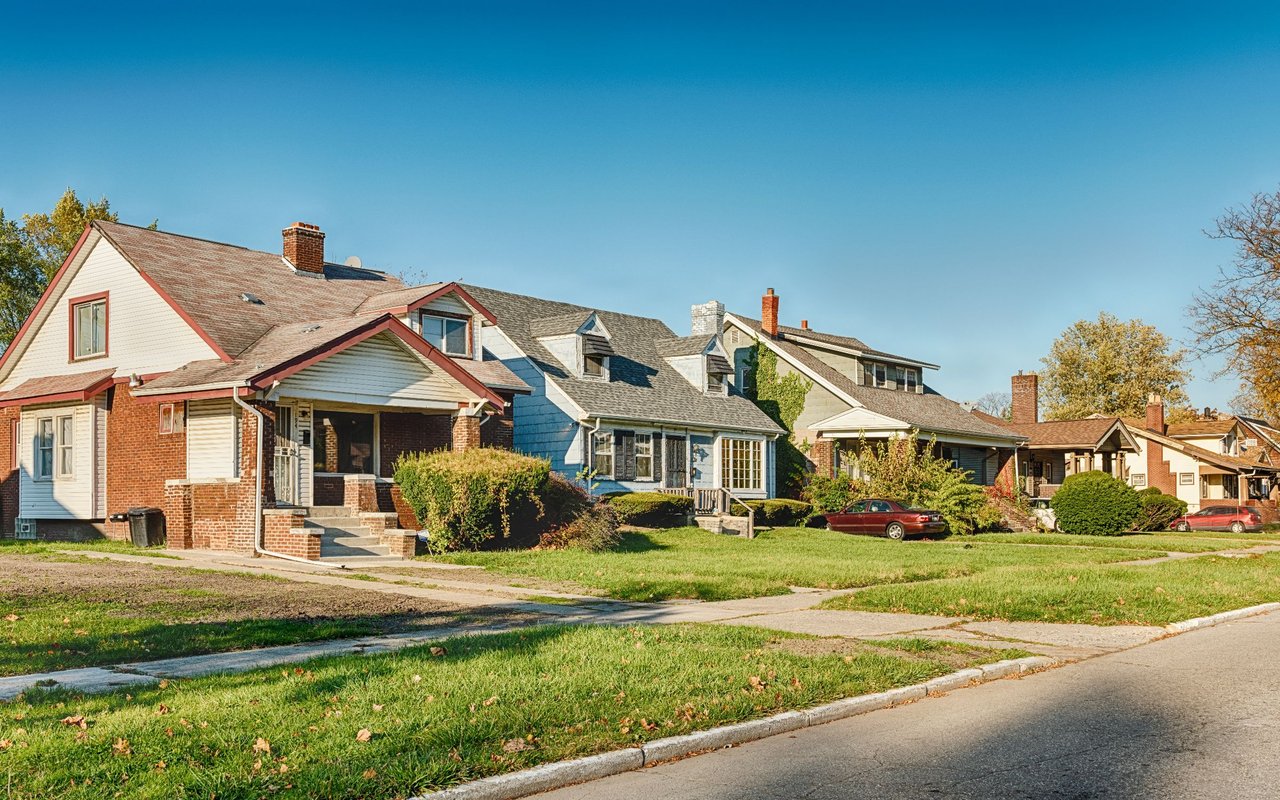
Dreaming of a South Haven cottage you can make your own? Renovation potential here is real, from in-town older homes to basements and attics that are just waiting for smart updates. You want to spot true upside, avoid money pits, and understand local rules before you write an offer. This guide shows you what to look for, how to estimate value, and how to navigate permits, flood zones, and financing so your project pays off. Let’s dive in.
South Haven market snapshot
The South Haven community reported a median home value of about $286,000 in 2023 and a housing stock dominated by single-family homes. That baseline helps you size a realistic after-repair value for modest refreshes versus larger projects. Review the findings in the South Haven community housing plan.
Short-term rentals are a factor downtown and near the lake. A city memo identified 409 registered short-term rentals in 2017, which signals demand for well-finished rentals, but also the need to follow local registration, occupancy, and inspection rules. If a rental strategy matters to you, start with the city’s Building Services short-term rental report to understand the framework.
What to look for on a first tour
Signs of opportunity
- Straight floors, square rooms, and a roofline that looks true. These “good bones” reduce surprise structural costs.
- A simple, adaptable layout. Non-load-bearing walls or open sightlines often make updates easier.
- Unfinished or underused areas. A basement with headroom, an attic with access, or an oversized garage can translate into livable space.
- Cosmetic age, working systems. Dated cabinets or tile paired with operational mechanicals can be less expensive to update than full system replacements.
- A strong location. Walkability to downtown, the Black River, or the lake often magnifies the value of small, clean remodels.
For a deeper look at what an inspector will evaluate, review the NAR home inspection field guide.
Red flags that raise costs fast
- Active water intrusion, chronic dampness, or mold in basements or crawl spaces.
- Foundation settlement or large cracks that point to structural repairs.
- Roof failures with rot or long-term leaks.
- Obsolete electrical or plumbing that suggests full system replacement.
- Locations in a Special Flood Hazard Area, or lots with shoreline restrictions that limit what you can build.
- Unpermitted additions or unfinished code work that could trigger fines or rework.
If you see any of these, add specialist inspections, such as a structural engineer or licensed electrician, before estimating costs.
Spaces that add the most value
Basements
Finishing a dry basement can be the simplest way to add livable area. Look for ceiling height, potential egress windows, and a clean path to extend HVAC. Moisture control is nonnegotiable. Regional “Cost vs. Value” reporting shows basement projects can recoup a meaningful share of cost at resale; compare your plan to buyers’ expectations using the latest Cost vs. Value report.
Attics and lofts
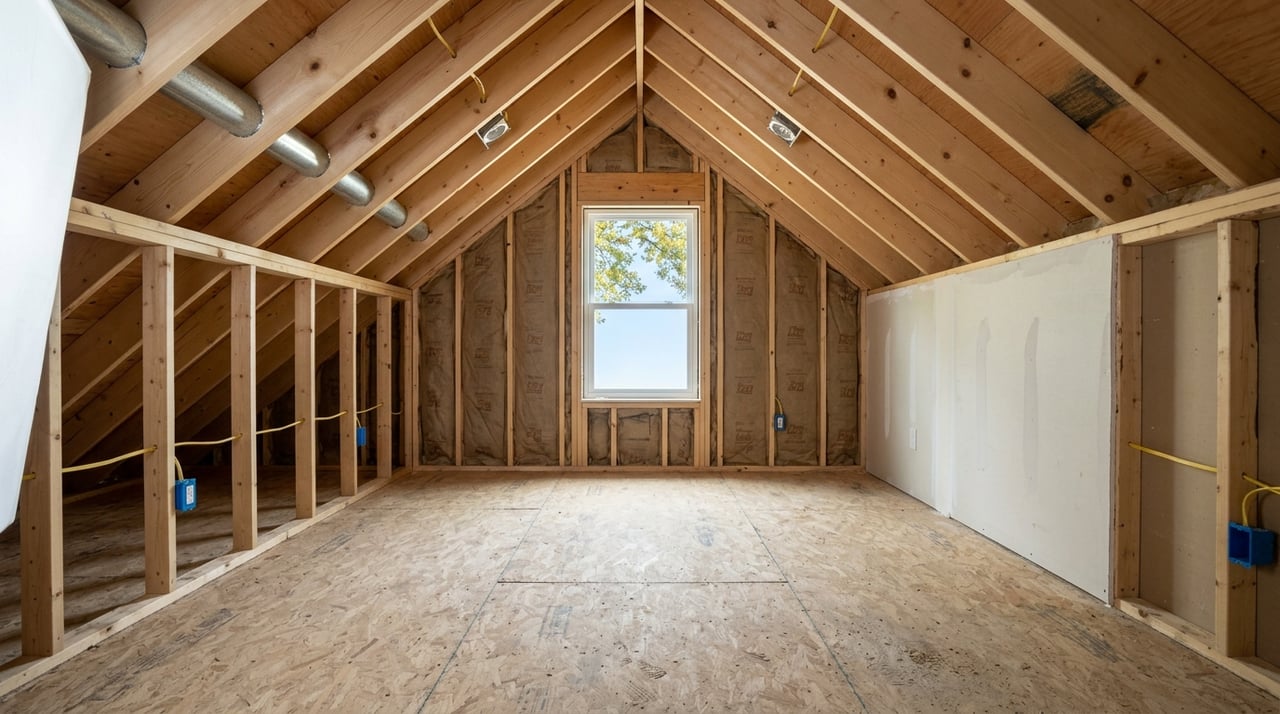
An attic can work well if you have headroom and a roof structure that supports conversion. You will need proper egress and insulation to meet code. Dormers can unlock space but add cost, so weigh this against likely resale.
Garages and accessory spaces
Oversized garages, attic spaces over garages, or outbuildings can offer flexible bonus areas. Some townships allow accessory units, but you must confirm zoning, parking, and any rental rules before you plan a conversion. Covert Township provides a clear example of township permitting and plan review on its Building & Zoning page.
Coastal and flood factors to check
South Haven’s lake and river access are part of its charm, but they add due diligence steps. Always check the FEMA Flood Insurance Rate Map for the exact address so you know if the parcel sits in a higher-risk flood zone. Start with the FEMA Map Service Center.
If a property is near Lake Michigan or along the Black River, review shoreline and setback rules that may limit structures or hardscaping. Michigan Sea Grant’s overview of coastal ordinances helps you understand how shoreline policy works across communities. Use this as a primer and then confirm details with the local office that governs your parcel: coastal shoreline ordinances overview.
If the home is in or near a Special Flood Hazard Area, plan for mitigation like flood vents or elevation changes and price flood insurance into your budget.
Cost vs. value: where to spend first
When your budget is limited, curb appeal often wins. The 2025 Cost vs. Value report highlights exterior projects that typically return strong value, including garage door replacements, steel entry doors, manufactured stone veneer, and fiber-cement siding. Midrange kitchen and bath updates can also perform well, especially in a beach town where move-in ready finishes matter more than luxury upgrades. Review national and regional benchmarks in the 2025 Cost vs. Value report.
For coastal homes, prioritize durable, low-maintenance materials that handle Great Lakes weather. Fiber-cement siding, corrosion-resistant fasteners, and resilient decking can lower long-term maintenance.
Permits and records in the South Haven area
Know who handles your parcel before you plan work.
- City parcels: Contact City of South Haven Building Services for permits, inspections, and rental registration requirements. The city’s short-term rental overview links back to Building Services contacts and rules. Start with the city’s STR memo to understand the program and then confirm current requirements with the office.
- Township parcels: Townships in Van Buren County, such as Covert, route zoning and building approvals through local staff and third-party plan reviewers. See a representative process at Covert Township’s Building & Zoning page.
- County records: Pull deed, tax, and parcel data through the Van Buren County register to verify ownership, legal descriptions, and past transfers. You can start searches at the county’s property records portal.
Permits you may need include structural, electrical, plumbing, and mechanical. Expect inspections during and after the work. If you plan to rent the property, ask about required rental inspections.
Renovating older homes and lead safety
Many in-town South Haven homes and cottages predate 1978. If you plan to disturb painted surfaces, you must use contractors that follow EPA Renovation, Repair and Painting rules. Ask bidders to provide proof of RRP certification and lead-safe work practices. For a quick overview, read this EPA RRP guidance.
Financing options for fixer buyers
If you want to roll renovations into your mortgage, explore these common options:
- FHA 203(k). Combines purchase and renovation in one FHA-insured loan. The limited 203(k) suits smaller projects. The standard 203(k) is for larger scopes and requires a HUD consultant to oversee draws and documentation. Get the consumer overview here: FHA 203(k) fact sheet.
- Fannie Mae HomeStyle Renovation. A conventional alternative that can finance purchase plus renovations and allows some items that FHA does not. Compare requirements and draw processes with your lender: HomeStyle Renovation overview.
Ask your lender about timelines, consultant requirements, and draw inspections so your closing and construction schedule line up.
A simple step-by-step plan
- Set a target ARV with local comps. Use a comparative market analysis to size your budget against likely resale.
- Walk the property with a renovation eye. Note unfinished spaces and obvious red flags.
- Order a full home inspection and any needed specialist checks. The NAR home inspection guide outlines what to expect.
- Get 2 to 3 contractor bids with a clear written scope, schedule, references, insurance, and any required certifications. If the home is pre-1978, ask for proof of EPA RRP compliance.
- Confirm permits with the correct office. City of South Haven for city parcels, or the appropriate township and county for parcels outside the city.
- Choose financing. Compare FHA 203(k), HomeStyle, or cash/HELOC options and map the draw schedule to your contractor’s timeline.
- Build a 10 to 20 percent contingency. Unknowns are common in older homes. Manage draws, schedule inspections, and secure final approvals and completion certificates.
Quick field checklist for showings
- Pull the parcel record and recent tax and transfer history from the county’s property records portal.
- Check the FEMA map for the address and note any flood zone.
- Scan for roof age, visible foundation cracks, moisture stains, and overloaded or obsolete electrical panels.
- Identify unfinished spaces and estimate possible finished square feet and egress needs.
- Ask for permit and renovation history and verify through city or county records.
- If the home predates 1978, require RRP-certified contractors for any bid that will disturb paint.
- Schedule full home and specialist inspections before removing contingencies.
- Secure 2 to 3 line-item contractor estimates and confirm seasonal lead times.
- Talk to lenders early about FHA 203(k) versus HomeStyle versus cash or a HELOC to avoid timeline surprises.
- Reflect these variables in your offer with clear contingencies and timelines.
Ready to find your South Haven project?
You deserve clear advice on what to fix, what to skip, and how to finance it. Our team pairs market expertise with practical renovation insight so you can buy with confidence and unlock value with smart, code-compliant updates. If you want hands-on guidance from search to final inspection, reach out to Michelle Bennett Siwula to schedule your free home consultation.
FAQs
What is a realistic after-repair value for a dated South Haven home?
- The South Haven community reported a median home value near $286,000 in 2023, which offers a baseline; your ARV should be set using recent local comps for your exact neighborhood and scope.
How do I check if a South Haven property is in a flood zone?
- Look up the exact address on FEMA’s Flood Insurance Rate Map and factor any mitigation or insurance costs into your budget using the FEMA Map Service Center.
Can I use a South Haven home as a short-term rental after I renovate?
- The city has a formal registration and inspection program, with many STRs concentrated near downtown and the lake; review the city’s short-term rental memo and confirm current rules with Building Services before you buy.
Which renovations tend to deliver better payback in this area?
- Exterior curb-appeal projects like garage doors, entry doors, and fiber-cement siding often outperform larger interior overhauls at resale; see the 2025 Cost vs. Value report for benchmarks.
What should I know about lead paint in older South Haven homes?
- Any pre-1978 home may contain lead-based paint; require RRP-certified contractors and lead-safe practices for any work that disturbs paint and review this EPA RRP guidance.
Do I need a permit to finish a basement in South Haven or nearby townships?
- Yes, finishing a basement typically requires permits for structural, electrical, plumbing, and mechanical work; confirm submittal and inspection requirements with City of South Haven Building Services or the appropriate township office before you start.