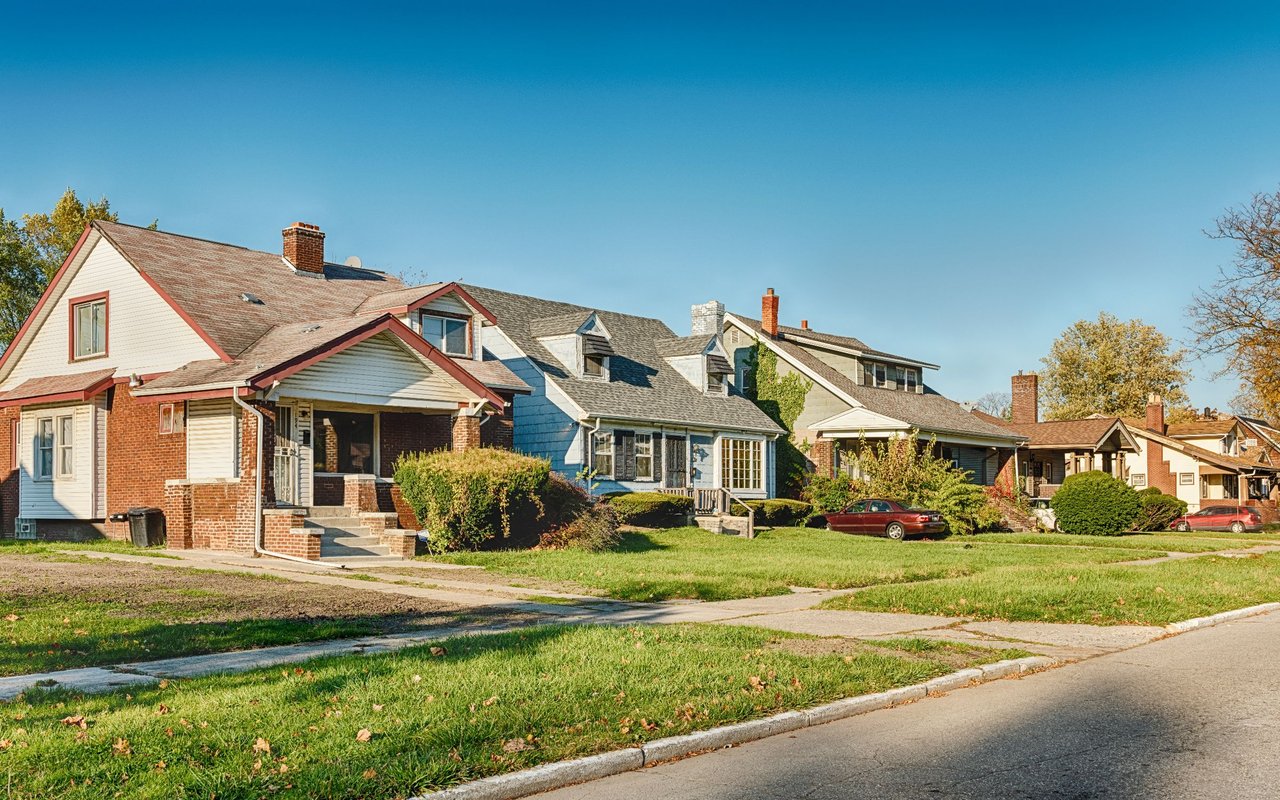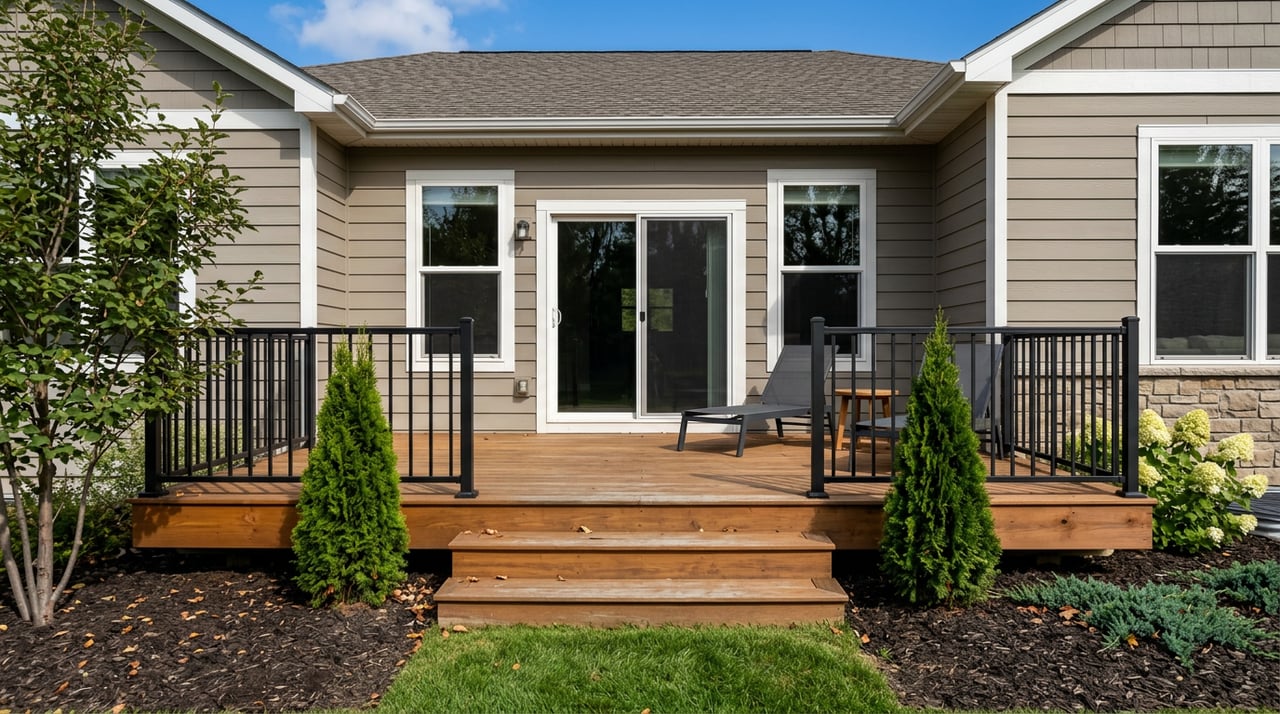
Thinking about buying in South Haven and wondering how the lake, seasons, and neighborhoods will shape your search? You are not alone. This market behaves differently from inland towns because buyer demand surges with warm weather and lake access drives a wide range of values. In this guide, you will learn how the market usually moves, what pushes prices up or down, how in-town options differ from nearby countryside homes, and what due diligence to do before you write an offer. Let’s dive in.
What the data says now
Market snapshots can look different depending on where the data line is drawn. Some sources report only the city, others include the wider 49090 ZIP. That is why you will see different medians from month to month.
- Realtor.com reported a city median list price of about $621,950 with roughly 86 active listings in December 2025.
- Redfin’s most recent city page in early 2026 showed a median sale price near $532,000 and about 72 days on market for the latest month.
Those figures are helpful for context, but local MLS data is your best lens when you get serious about a specific area. The Southwestern Michigan Association of REALTORS® notes that small monthly sample sizes in ZIP 49090 can swing medians up or down, which is a good reminder to lean on recent comps for your property type and location. You can explore local commentary and trends through the association’s updates on the SWMAR market news page.
Across late 2024 and 2025, South Haven moved between a balanced and somewhat competitive feel. To judge how hot a segment is today, watch active listings, months of inventory, days on market, and the sale-to-list ratio. These can differ by neighborhood, especially near the harbor versus inland areas.
Seasonality on Lake Michigan
Peak spring and summer
Buyer activity typically ramps up in late April and stays strong into June. The summer season brings heavy visitor traffic through Labor Day, and that visibility increases interest in lakefront and walkable, downtown-proximate homes. If you want keys in hand by summer, be ready to act early with your financing and tour schedule lined up.
Fall and winter advantages
If you do not need summer possession, late summer into fall can mean fewer competing offers, quieter open houses, and, in some cases, more negotiating room. Year to year, conditions vary, so it helps to track current local updates from sources like SWMAR’s monthly commentary.
Lakefront value drivers
Scarcity and amenities are the big drivers. Direct Lake Michigan frontage, protected harbor positions, private beach access, dock or mooring rights, and unobstructed views typically command a premium. Academic research confirms what you will see on the ground: homes closest to the shoreline tend to be worth more, and improvements in water quality or clarity can raise nearby home values, with the effect fading farther inland. If you are weighing a lakefront home against a similar house a block off the water, expect a noticeable difference. For a deeper look at how water proximity and quality affect prices, see this peer-reviewed analysis of water amenities and home values.
Shoreline risks, permits, and insurance
Great Lakes water levels change over seasons and across years. Those shifts can affect beach width, dock access, and erosion risk. Before you commit, review recent lake level trends and shoreline conditions for the parcel. The U.S. Army Corps of Engineers publishes authoritative lake level outlooks, including this 12-month Great Lakes water level simulation.
If you plan to add or alter docks, revetments, or seawalls, expect a permit process. Work in and near the water often requires approvals from Michigan regulators and the U.S. Army Corps of Engineers. Get guidance early and factor timelines into your purchase plan by starting with the Corps’ Regulatory Program overview.
Also confirm whether the property falls in a FEMA Special Flood Hazard Area. If it does, your lender will require flood insurance. Check panel maps through the FEMA Map Service Center, and request any elevation certificate the seller may have. Insurance costs are property specific, so get quotes early.
In-town vs countryside inventory
In-town: harbor and walkable areas
Inside the city and near the harbor, you will find smaller lots, cottages and condos, strong walkability to restaurants and beaches, and easier seasonal management. Neighborhoods by the water, including Harbor Shores and other harbor-adjacent pockets, often sit at the upper end of local pricing because of proximity to marinas and beaches. South Haven’s municipal marinas offer a significant number of slips across multiple locations, with private and condo marinas adding capacity. Access to a slip or a transferable marina arrangement can be a meaningful value driver for boaters. For municipal context, the city’s master-plan materials outline marina infrastructure and capacities in detail in the South Haven Master Plan update.
Nearby townships and country homes
Just outside the city, larger lots and rural settings are common. You will see older farmhouses, newer rural builds, and longer drives to town services. Many of these properties use private wells and septic systems instead of city utilities, so you should request permit history and inspections as part of your offer. The Van Buren-Cass District Health Department provides guidance and records for wells and septic systems on its water and septic services page.
On price, rural parcels often have a lower price per square foot than in-town homes, but they may require more hands-on maintenance and can be more complex to finance if utilities are nonstandard. When you compare value, rely on hyperlocal comps that match property type and utility setup rather than the citywide median. The SWMAR market news page is a helpful place to stay grounded in local MLS context.
Short-term rentals: know the rules
If rental income is part of your plan, do not assume any property can be used as a vacation rental. South Haven operates a formal short-term rental program with license classes, overlay districts, inspections, and compliance checks. Before you buy, review the city’s requirements, overlay map, and application steps on the City of South Haven Short-Term Rental page, and build permitting time into your timeline. Rental performance and approvals are property specific, so confirm details for the exact address you are considering.
Buyer checklist: start smart
Use this quick-start list to line up financing, due diligence, and timing.
Define your occupancy and loan type. Decide whether the property will be a primary home, second home, or investment. Underwriting and down payment rules differ, especially if you plan to rent regularly. For a plain-English overview of second-home rules, review these Freddie Mac guidelines.
Choose a local agent and inspector team. You want pros who know South Haven’s waterfront, marina, and township nuances. Ask your agent for recent, micro-area comps and plan for a full home inspection plus any needed well, septic, or shoreline checks.
Pull septic and well records. Request the permit history and schedule a septic inspection and water test if the home is on private systems. The Van Buren-Cass District Health Department outlines process and contacts on its water and septic page.
Check flood and shoreline status early. Verify FEMA flood zone, ask for an elevation certificate if available, and review any recent shoreline work. Start with the FEMA Map Service Center and consult state and federal guidance before planning any dock or shoreline changes.
Confirm short-term rental eligibility. If STR income matters, vet the city’s licensing classes, overlay map, inspections, and any caps. Start with the City of South Haven STR portal and plan for processing time.
Verify title, access, and water rights. Ask your title company to confirm beach or shoreline rights, any recorded easements, and whether private docks or slips are transferable. These details can affect both enjoyment and resale.
Estimate property taxes by jurisdiction. Taxable value and millage rates vary by city or township and school district. The Michigan Department of Treasury publishes current total rates by jurisdiction in its Total Property Tax Rates report. Your agent can help you apply the right district to a specific parcel.
Get property-specific insurance quotes. Waterfront properties can carry higher insurance and rebuilding costs, and flood coverage may be required based on FEMA maps. Ask for quotes early so you can compare total monthly costs.
Confirm marina access if boating matters. Check whether a slip is included, transferable, or available to rent nearby. Municipal slips are limited and may have waiting lists, so verify timing and policies before you close.
Plan for logistics if you live out of town. Use virtual tours to shortlist, but try to schedule at least one in-person visit. Choose local vendors for inspections, survey, title, and any permit work, and build extra time into your contract for STR or township reviews if needed.
Ready to look in South Haven?
You deserve clear advice tailored to how this lake market really works. Our team pairs local market expertise with hands-on renovation and financing insight so you can weigh value, due diligence, and long-term potential with confidence. If you are ready to walk through options or want a custom set of comps, connect with Michelle Bennett Siwula to schedule your free home consultation.
FAQs
South Haven waterfront pricing: are lake homes always pricier?
- Generally yes. Direct access, private beach or dock rights, and unobstructed views command premiums, and research shows water proximity and quality raise nearby home values. The exact premium depends on location and amenities, so rely on local comps.
South Haven short-term rentals: can you operate one at any property?
- Not automatically. The city requires STR registration with license classes, inspections, and overlay limits. Always verify eligibility and timing through the city’s STR portal before you buy.
South Haven lake houses and loans: do you need a special mortgage?
- Not a special product, but occupancy matters. Second homes and investment properties follow different underwriting and reserve rules, and frequent renting can trigger investment loan terms. Talk with your lender up front.
Countryside homes near South Haven: any hidden costs?
- Common extras include septic repair or replacement, well maintenance, longer driveway and road upkeep, and sometimes higher insurance. Request septic and well records and add specialized inspections to your contingency list.