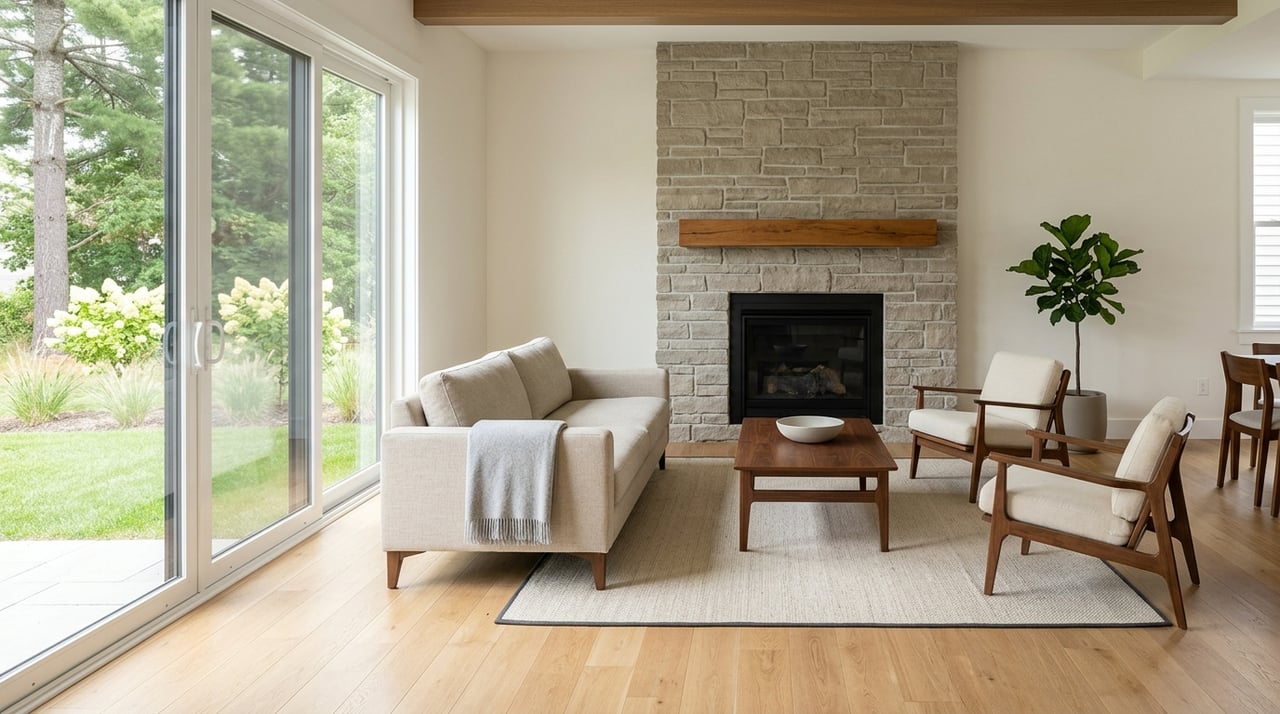
Wondering whether you should sell your South Haven lake home furnished? It is a smart question, especially in a market where buyers are often shopping for more than square footage alone. If you are preparing to sell a lake or second home, the right answer can affect presentation, pricing, and the ease of your closing. Let’s break down when selling furnished makes sense, when it does not, and how to handle it cleanly from the start.
Why furnished can work in South Haven
South Haven has a strong lake lifestyle identity, with public beach access, waterfront recreation, and a reputation as a place people choose for enjoyment as much as ownership. That matters because many buyers in resort and second-home markets are not only comparing homes. They are also imagining how quickly they can start using the property.
In that setting, a furnished lake home can feel more like a ready-to-enjoy retreat. Buyers may respond well when they can see how a living room fits a full seating area, how a dining space works for guests, or how a porch is meant to be used after a beach day. In other words, furniture can help tell the story of the home.
Furnishings often function like staging
The value of furnishings is closely tied to the value of staging. According to the National Association of Realtors consumer staging guidance, 83% of buyers' agents said staging helps buyers visualize a property as their future home. More than a quarter said staged homes received offers that were 1% to 10% higher, and about half said staged homes sold faster.
For a South Haven lake home, attractive furniture can do some of that same work. It can help buyers understand scale, flow, and lifestyle. A large great room may feel more inviting with properly sized seating, and a guest room may feel more useful when buyers can immediately see how it functions.
That does not mean every furnished home shows better. It means furniture should earn its place by improving how the property looks and feels.
When selling furnished makes sense
In many cases, selling furnished is the right move when the home is being marketed as a mostly turnkey getaway. That approach can be especially helpful if the likely buyer wants a simpler transition into lake-home ownership.
Selling furnished may make sense if:
- The furniture is cohesive and fits the style of the home
- The pieces are in good condition and photograph well
- The home is a second-home or vacation-style property
- Large rooms need furniture to show scale clearly
- The furnishings support a polished, ready-to-use feel
This can be especially useful in South Haven, where lifestyle appeal is part of the property’s value. If the furnishings make the home feel easy, comfortable, and well-proportioned, they may strengthen your marketing.
When selling unfurnished may be better
Sometimes furniture helps, and sometimes it gets in the way. If the contents feel dated, worn, overly personal, or visually busy, they can distract from the home itself.
Selling items separately or removing them before listing may be the better choice if:
- The furniture is mismatched or oversized
- Pieces show visible wear or damage
- Decor feels highly personal or seasonal
- The home looks cluttered when fully furnished
- You want negotiations focused on the real estate, not the contents
This is often where a design-minded strategy matters most. The goal is not simply to leave furniture because it is there. The goal is to decide whether it improves presentation or creates friction.
Think of it as a marketing choice
One of the biggest mistakes sellers make is treating furnishings as an afterthought. In reality, this decision affects listing photos, in-person showings, buyer expectations, and negotiations.
A furnished sale should be viewed as both a marketing decision and a deal-structure decision. If the furnishings improve visual appeal and match the likely buyer profile, they can support stronger interest. If they raise questions about value or condition, they can complicate the sale.
That is why it helps to make the furnished-versus-empty decision before your listing goes live. Once a purchase agreement is binding, changes can be difficult.
Know what stays with the house
In Michigan, some items sellers think of as furnishings are actually part of the property. Michigan Realtors purchase agreement materials make an important distinction here. Items such as built-in appliances, lighting fixtures, window shades, and attached shelving are typically considered fixtures or improvements already included with the sale.
That means you should not assume everything inside the home is optional. Before you decide to market the property as furnished, it is important to sort items into two groups:
- Fixtures and improvements that are already part of the real estate
- Movable personal property that can be separately included, excluded, or negotiated
This step can prevent confusion later. It also helps buyers understand exactly what they are purchasing.
Put personal property in writing
If you plan to include movable furnishings, the details should be documented clearly. Michigan Realtors notes that deal-specific terms about personal property included in the sale need to be drafted carefully. The standard process also includes a walk-through so the buyer can confirm that any personal property or equipment being purchased is in the same condition at closing.
A simple verbal understanding is not enough. If a sofa, dining set, patio furniture, or bedroom suite is part of the deal, it should be clearly identified in writing.
A strong approach includes:
- A written inventory of included items
- Clear photos of those items
- Notes about exclusions, if any
- Consistent wording in the listing and purchase documents
This protects both sides and reduces the risk of last-minute disputes.
Keep values separated at closing
In Van Buren County, documents subject to transfer tax must state the total consideration or file a Real Estate Transfer Valuation Affidavit. Michigan law also exempts instruments evidencing interests assessable as personal property from real estate transfer tax.
The practical takeaway is simple. The value of the real estate and the value of any personal-property package should be kept clearly separated in the paperwork. When the numbers are blended together carelessly, it can create confusion in the closing file.
If you are selling a South Haven lake home furnished, clean documentation matters. The deed, the real-property price, and the personal-property package should be handled with clarity.
Special care for estate and second-home sales
This question comes up often with inherited homes, absentee-owned properties, and second homes. In those cases, the furnishing decision can be more complicated because several people may be involved in sorting contents, confirming ownership, or deciding what should stay.
Michigan’s Seller Disclosure Act applies to many 1- to 4-unit residential transfers, but some estate-related and court-related transfers are exempt, including certain transfers by a nonoccupant fiduciary during estate, guardianship, conservatorship, or trust administration. Just as important, the statutory disclosure form addresses the condition of the property and is not a warranty. That means furnishings should be documented separately rather than assumed as part of the disclosure process.
If you are handling an estate or second-home sale, it helps to confirm early:
- Who has authority to sign
- Which items are fixtures and which are movable
- Whether the home will be marketed furnished, partially furnished, or empty
- What inventory needs to be photographed and documented
Making these decisions before listing can save time and stress later.
A simple framework for sellers
If you are still unsure, use this practical framework. Keep the furnishings if they improve presentation and fit the likely buyer. Remove them if they create clutter, pricing friction, or dispute risk.
Ask yourself these questions:
- Do the furnishings make the home look larger, warmer, or more functional?
- Do they support the idea of a turnkey South Haven retreat?
- Are the items in good enough condition to hold up through showings and closing?
- Would the sale be cleaner if the contents were handled separately?
If the answers lean positive, selling furnished may be worth serious consideration. If not, a more edited or vacant presentation may better support your price and marketing.
Why strategy matters in lake-home sales
Selling a South Haven lake home is rarely just about listing a property and waiting. Presentation, buyer expectations, and deal structure all matter, especially when the home may appeal as a lifestyle purchase.
That is why the furnished question deserves a thoughtful plan. With the right strategy, furnishings can help buyers connect emotionally, understand the space, and see immediate value. With the wrong strategy, they can create distraction and negotiation issues that are easy to avoid.
If you are deciding how to position your South Haven property, a clear room-by-room plan can make all the difference. For tailored advice on presentation, staging, and smart sale structure, schedule your free home consultation with Michelle Bennett Siwula.
FAQs
Should you sell a South Haven lake home furnished or empty?
- It depends on whether the furnishings improve the home’s presentation, match likely buyer expectations, and support a turnkey lake-home feel.
What furnishings are automatically included in a Michigan home sale?
- Items considered fixtures or improvements, such as built-in appliances, lighting fixtures, window shades, and attached shelving, are generally included with the property rather than treated as optional furnishings.
How should personal property be handled in a Michigan purchase agreement?
- Any movable personal property included in the sale should be clearly listed in writing, supported by an inventory and photos when possible.
Why does documentation matter when selling a furnished home in Van Buren County?
- Clear documentation helps separate the real estate price from any personal-property package so the closing file does not blur real property value with movable contents.
Is selling furnished a good idea for an inherited South Haven home?
- It can be, but estate sellers should first confirm signing authority, identify fixtures versus movable items, and decide on the furnishing plan before the home is listed.