Love the breezy coastal look but worry about lake-effect snow, sand, and summer sun doing a number on your home? In South Haven, design is about more than pretty finishes. You need smart choices that can handle humidity, freeze and thaw cycles, and a steady stream of beach gear. In this guide, you’ll learn durable, low-maintenance ideas that look fresh today and help resale tomorrow. Let’s dive in.
Know the South Haven setting
South Haven’s spot on Lake Michigan brings beautiful summers and snowy winters. That means you want materials and layouts that stand up to moisture, sand, and temperature swings. The right upgrades will also help buyers feel confident about your home’s condition and long-term care.
Check flood zones and permits early
Before you plan shoreline or first-floor changes, confirm the property’s current flood status. Use the FEMA Flood Map Service Center to see if your address is in a Special Flood Hazard Area. If it is, your lender may require flood insurance, and you will want to choose materials and elevations with that in mind.
For any nearshore work, review Michigan rules for permits and maps on Michigan EGLE’s floodplain resources. Decks, shoreline structures, and site drainage may also need local approvals. Van Buren County is a good starting point for timelines and submittals. Check the Van Buren County permit applications page to get oriented.
Consider nature-forward shoreline solutions
If you own near the waterline, ask about nature-based stabilization. NOAA’s living shoreline guidance explains how native plants, graded banks, and rock elements can reduce erosion and support habitat. These options can be more resilient than hard bulkheads in certain conditions and are often viewed favorably by agencies.
Floors that love sand and water
Your floors take the brunt of beach life. Pick surfaces that are easy to clean and resistant to moisture.
Mudrooms and entries
For entries and rinse areas, choose frost-rated porcelain tile or textured outdoor-rated porcelain pavers. They resist water and freeze and thaw cycles and are simple to hose off. Learn more about durability and slip resistance in this porcelain tile and paver guide.
Add a washable mat zone, a boot tray, and a spot to hang wet coats. A small handheld shower outside or a hose bib near the door helps keep sand out of the main rooms.
Main living areas
For a whole-house look that handles spills and sand, choose waterproof luxury vinyl plank or rigid core SPC. These floors resist standing water and come in natural-looking wood tones that buyers love. See why many coastal owners choose them in this overview of waterproof LVP and SPC options.
To tie your living space to a covered porch or patio, repeat similar tones in your exterior pavers. That visual flow makes spaces feel larger and more inviting.
Where real wood fits
If you want true wood floors, consider engineered hardwood in drier upstairs rooms. It is more stable than solid wood when humidity changes across seasons. Follow best practices from the National Wood Flooring Association for acclimation, moisture testing, and indoor humidity.
Smart finishes and easy-care fabrics
Coastal style should be simple, bright, and low maintenance.
Hardware and fixtures that resist corrosion
Pick stainless steel, powder-coated aluminum, or marine-grade coatings for exterior-facing hardware and fixtures. Waterfront air and frequent wetting can speed up corrosion compared with inland homes. Check product warranties and choose finishes rated for outdoor or coastal use.
Paints and palettes that age well
Keep walls light and neutral to maximize light and broaden buyer appeal. Soft whites, warm tans, and driftwood grays read coastal without feeling themed. Use bolder teals or aquas as accents in smaller areas, like a powder room or built-in shelves. Choose quality, low-VOC paints inside and UV-stable coatings outside.
Outdoor fabrics that last
For cushions and awnings, use solution-dyed acrylic fabrics from well-known brands. They resist fading, mildew, and stains, which is key in a humid lake climate. Choose medium tones and patterns that hide sand and sunscreen marks.
Seamless indoor to outdoor living
Your deck, patio, and porch set the tone for everyday life and resale.
Windows and large openings
Upgrade to ENERGY STAR rated windows and exterior doors suited to our climate zone. You will feel the comfort difference in winter, and you may see lower heating bills. When adding multi-slide or folding doors to a patio, work with a pro on flashing and threshold details to keep water outside.
Decks and porches with staying power
Composite decking is a smart choice near Lake Michigan. It resists rot and repeated wet and dry cycles and needs far less upkeep than wood. Learn what to plan for, including fasteners and spacing, in this composite decking FAQ. For screened porches and three-season rooms, specify corrosion-resistant frames and fasteners and finishes that can handle moisture.
Patios and pavers that match inside
Create a clean flow from inside to out with frost-rated porcelain pavers on patios and walkways. They handle freeze and thaw conditions and offer slip-resistant textures. Get installation tips in the porcelain paver guide. Plan for proper base prep, slope, and drainage so water moves away from your house.
Storage that works with beach life
You will enjoy your home more when sand and gear have a place to go. These practical tweaks also show well in listings.
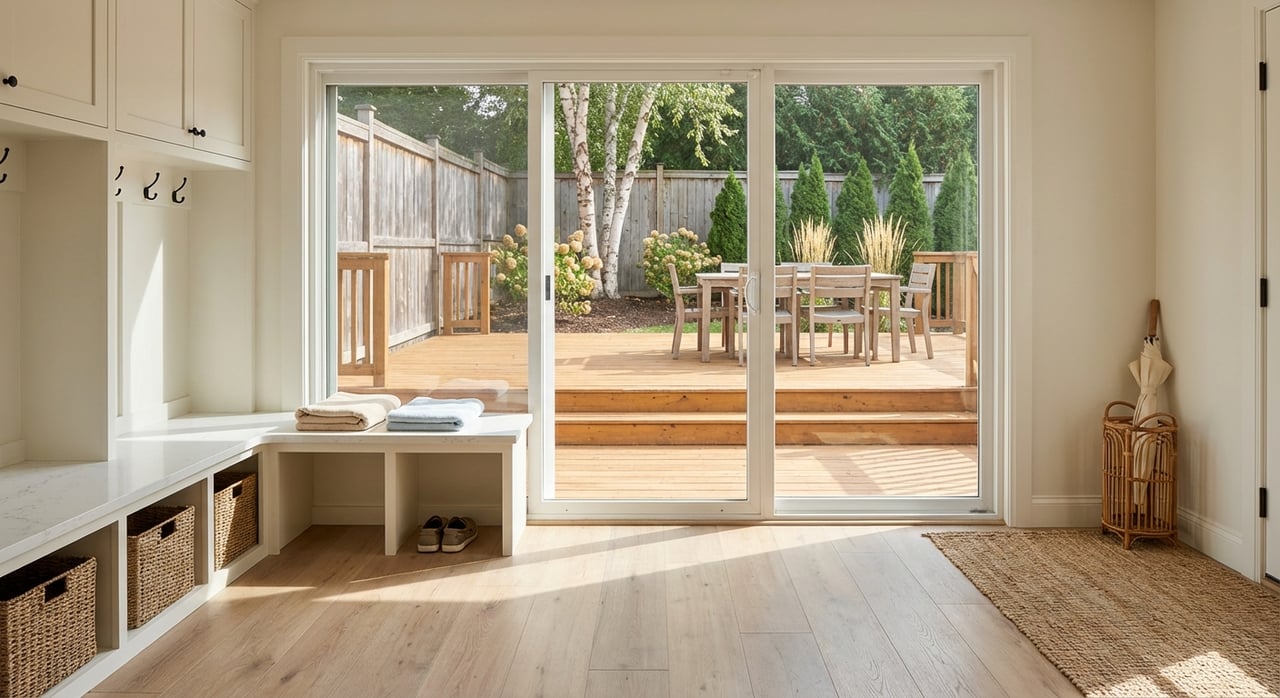
Mudroom must-haves
- Durable floor like porcelain tile or waterproof LVP
- Built-in bench with cubbies and open, slatted shelves to shake out sand
- Hooks for wet coats and wetsuits and wall-mounted mesh bags for small items
- A nearby rinse station or utility sink for sandy feet and pets
Buyers respond to smart, social-media-ready spaces. For inspiration on staging and function, review what tends to catch attention in this NAR staging roundup.
Garage and gear zones
- Overhead racks for kayaks and seasonal items
- Wall-mounted board racks and ventilated shelves for faster drying
- Lockable cabinets for fishing gear and tools
- Outlets for e-bike chargers and battery systems
Small upgrades with daily impact
- A retractable drying rack for swimwear and towels
- Pull-out baskets for damp items
- A boot tray area with a gentle slope to a drain in high-use homes
Control moisture and plan maintenance
South Haven homes see humidity swings and a lot of wet gear. Keep indoor air fresh and finishes in good shape with targeted systems and simple routines.
Ventilation that balances comfort
Tight, well-insulated homes benefit from balanced ventilation that recovers heat and manages moisture. An HRV or ERV can do both when set up correctly. For a practical overview, review whole-house ventilation strategies. Pair ventilation with consistent HVAC settings to keep indoor relative humidity in a comfortable range.
Simple care routines
- Rinse deck boards, pavers, and entry thresholds often
- Keep gutters and downspouts clear and move water away from foundations
- Check slopes and drains after big storms or high lake events
- Clean HVAC filters and consider a dehumidifier if summer humidity runs high
These habits extend the life of your upgrades and show buyers that the home has been cared for.
Design with resale in mind
In lake towns like South Haven, buyers love three things: low-maintenance exteriors, easy indoor to outdoor flow, and smart storage. Energy-efficient windows, updated kitchens and baths, and durable floors also help your market position. If you are on or near the waterline, keep records of shoreline assessments, permits, and any flood zone details. Documents from FEMA’s map center and state or local permits help buyers feel confident.
Ready to plan your South Haven move?
Whether you are buying a lake place or refreshing the one you own, the right design choices can boost daily comfort and future value. If you want help prioritizing projects for resale or spotting renovation upside during a home search, reach out to Michelle Bennett Siwula for a friendly, expert consult. Schedule your free home consultation.
FAQs
What flooring holds up best in South Haven beach homes?
- Waterproof luxury vinyl plank or rigid core SPC handles sand and standing water well, while frost-rated porcelain tile works best in entries and rinse zones.
Do I need permits for shoreline work on Lake Michigan in South Haven?
- Many nearshore activities require state review and permits; start with Michigan EGLE’s guidance and coordinate with local offices like Van Buren County permits.
Are composite decks worth the cost near the lake?
- Yes. Composite decking resists rot and repeated wet and dry cycles and needs far less maintenance, which saves time and supports long-term value; see the composite decking FAQ.
How can I control humidity in a lakeshore home?
- Use balanced ventilation like an HRV or ERV, keep HVAC filters clean, and consider a dehumidifier in summer; see whole-house ventilation strategies.
What coastal colors appeal to South Haven buyers?
- Light neutrals such as soft whites, warm tans, and driftwood grays read coastal and help spaces feel larger; use saturated blues or aquas as small accents.
How do I check if a South Haven property needs flood insurance?
- Search your address on the FEMA Flood Map Service Center; if the home is in a Special Flood Hazard Area, a lender may require flood insurance.